Technology
Core Technologies
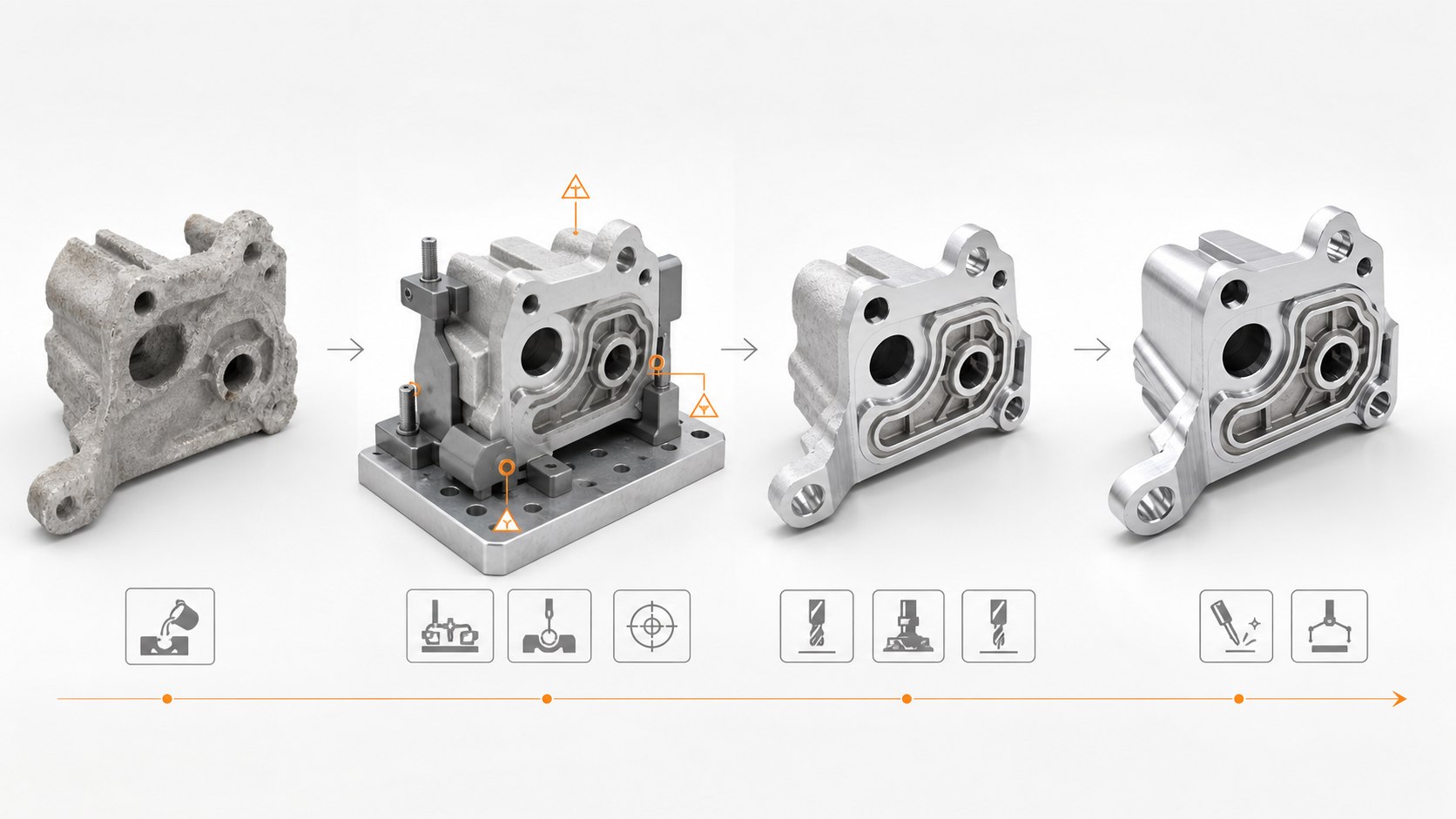
Machining Process Planning
Machining Process Planning
We review customer drawings and product geometry to define materials, machining datums, operation sequences, tools, and fixtures. Key control characteristics and inspection criteria are linked to establish a stable, repeatable machining process.
- Review customer drawings and critical tolerances
- Define materials and machining datums
- Plan roughing, semi-finishing, and finishing sequences
- Link tooling, fixtures, and inspection criteria

DRAWING & TOLERANCE REVIEW
- Review geometry and critical dimensions
- Confirm GD&T and datum references
- Check machinability and interference
- Identify key control characteristics

MACHINING PROCESS PLANNING
- Plan operations from material to finished part
- Set roughing, semi-finishing, and finishing order
- Manage machining references by operation
- Standardize repeatable production processes

TOOLING & FIXTURE PLANNING
- Select tools for each product geometry
- Review stable clamping methods
- Check tool-to-part interference
- Configure fixtures for product variety

INSPECTION & QUALITY PLANNING
- Define critical dimensional checks
- Establish in-process inspection criteria
- Link final inspection and measurement standards
- Manage inspection results and quality history

Precision Machining
Precision Machining Technology
We manufacture housings and precision-machined parts for automotive drivetrain and electronic systems in accordance with customer drawings and specifications. Processes are configured around product geometry and material characteristics to maintain critical dimensions and stable machining quality.
- CNC precision machining
- Complex geometry and multi-face machining
- Critical dimension and geometric tolerance control
- Tool life and machining condition management
- Repeatable machining quality
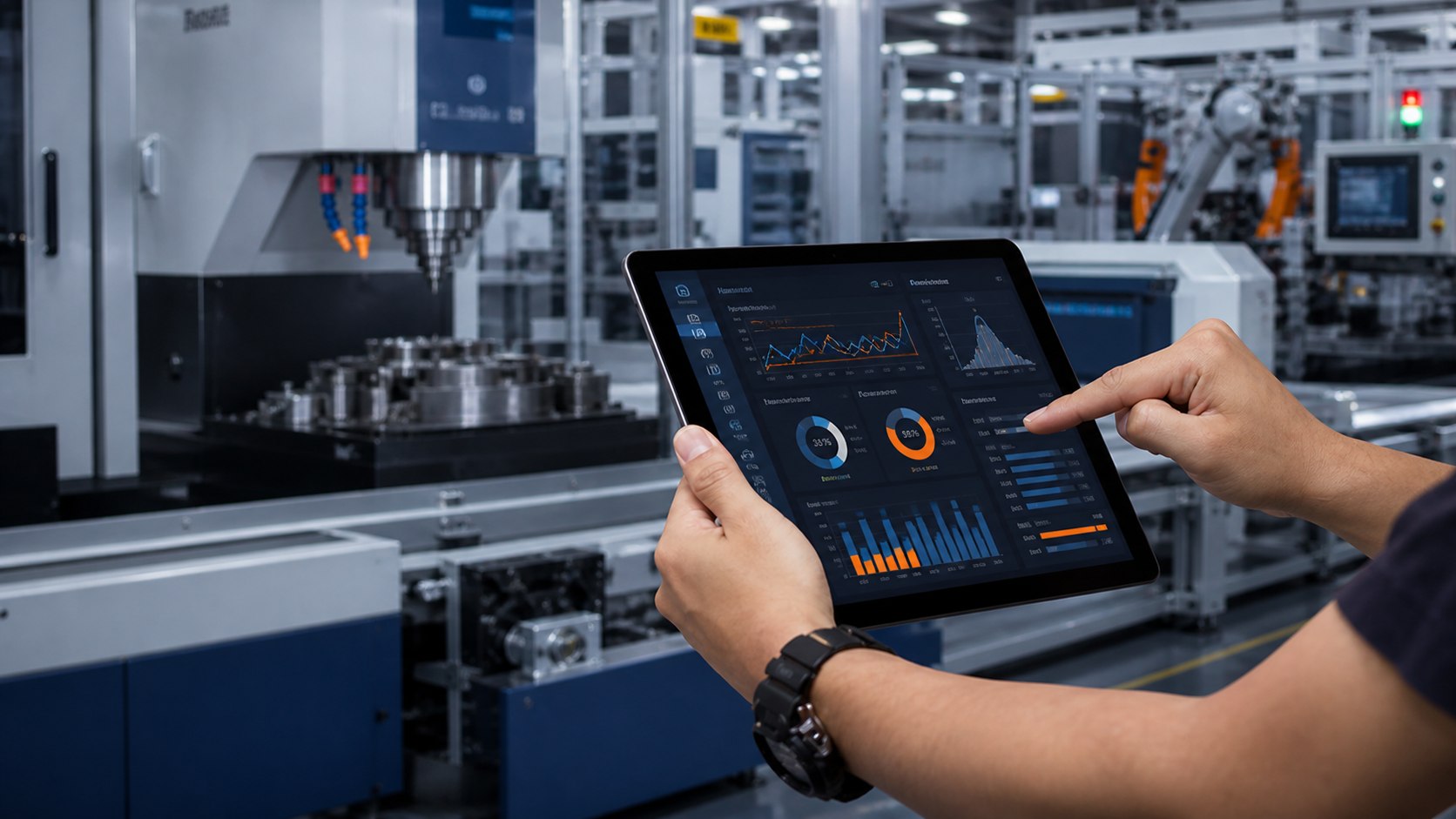
Measurement & Quality Control
Measurement & Quality Control
Stage-specific inspection criteria are applied from incoming material through machining and final product inspection. Critical dimensions and appearance are checked, and inspection results are managed to provide consistent product quality.
- Stage-specific inspection criteria
- Critical dimension and geometry measurement
- Inspection result and quality history management
- Nonconformance analysis and improvement
- Final quality verification
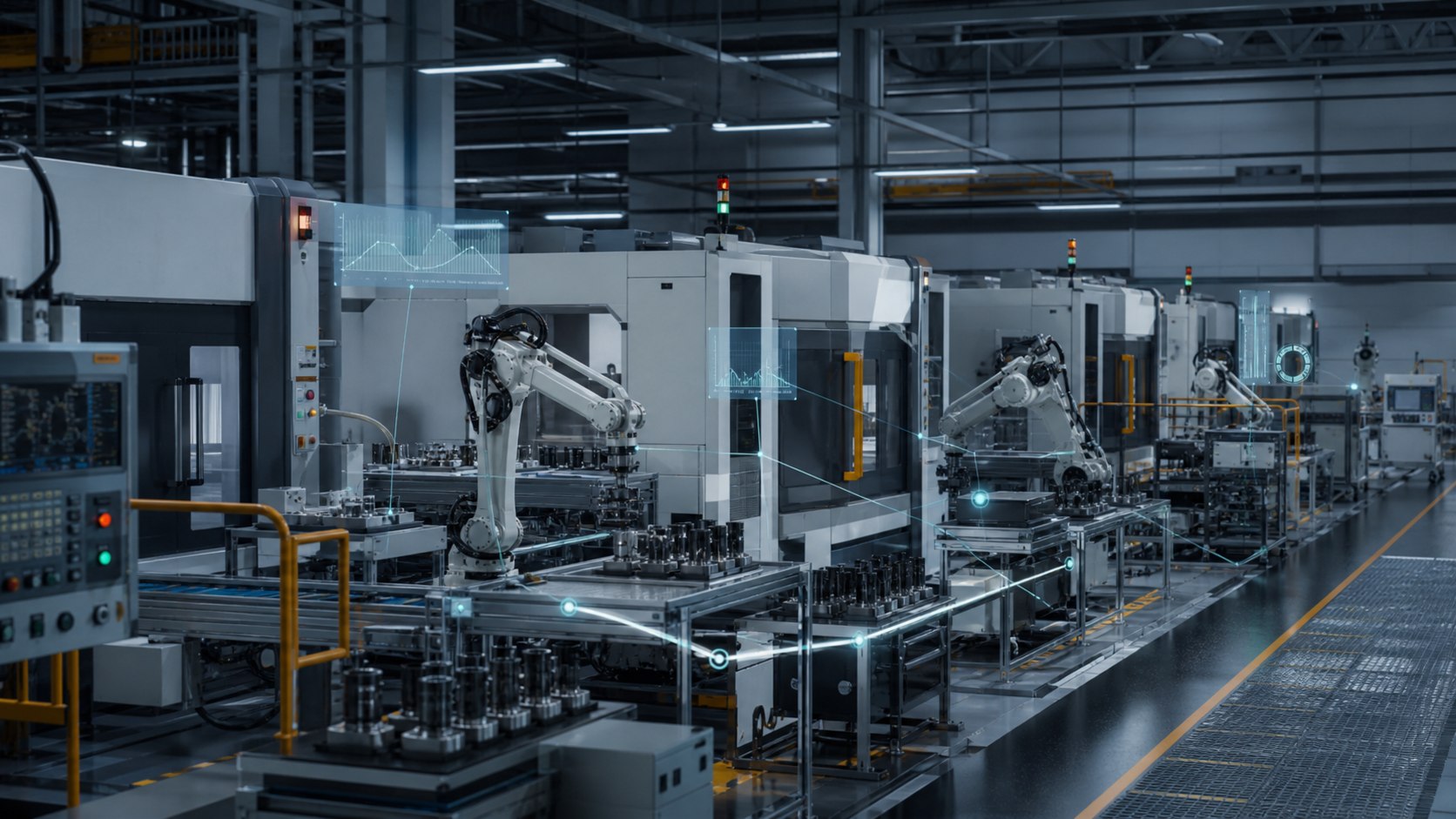
Production Process Management
Production Process Management
Production status is managed through standardized work and process-specific control criteria. Equipment, tooling, and inspection information are coordinated to support stable production and dependable delivery.
- Work standards and process condition management
- Production planning and progress control
- Equipment and tooling preventive checks
- Quality and delivery information coordination
- Product and process history management